Understanding Stripe Digital Paper and Background Clipart for Creative Projects
When you are building a visual identity for a brand, designing a product line, or creating content for social media, the materials you choose for backgrounds and accents matter more than many people realize. Stripe Digital Paper and Background Clipart offer a flexible, high-resolution solution that fits a wide range of creative workflows. Unlike seamless patterns that repeat endlessly, these files feature individual, non-repeating compositions that give you more control over layout and placement. Whether you are working on print products like stationery and packaging or digital assets like banners and book covers, the ability to insert a single high-quality graphic without worrying about visible seams can save time and improve the final result.
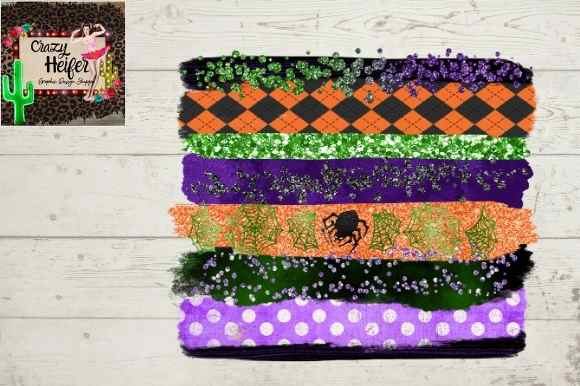
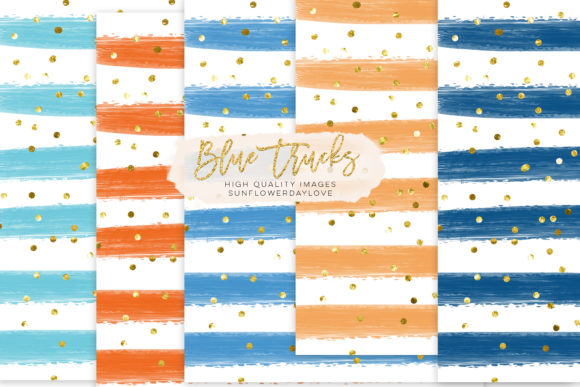
Stripe Digital Paper and Background Clipart are provided as 300 dpi JPEG files at a 12 x 12 inch canvas size. Each set includes five distinct images, all without watermarks. This means you have ready-to-use backgrounds that you can crop, layer, or combine with other elements. The stripe motif is a classic design choice, lending itself to both modern and traditional aesthetics. Because the files are not seamless, you can use each one as a standalone background or cut out specific sections for smaller design elements. This flexibility makes them particularly valuable for projects that require variation rather than uniform repetition.
What Makes Stripe Digital Paper and Background Clipart Distinct
The most immediate difference between Stripe Digital Paper and Background Clipart and many pattern-based alternatives is the lack of tiling. Seamless patterns are built to repeat infinitely, which is ideal for fabric prints, wallpaper, or wrapping paper where continuity is key. However, if you are designing a logo, an invitation, or a social media banner, you often need a background that stands on its own without awkward edges. The non-seamless nature of these files means you get five distinct, individual backgrounds. Each can be used as a single image, and you can adjust the positioning of text or graphics without being constrained by a repeating grid.
Another distinction is the combination of both "digital paper" and "background clipart." Digital paper typically refers to background textures or patterns intended for scrapbooking, crafting, or digital design. Clipart, on the other hand, usually refers to isolated images that can be placed onto other backgrounds. Here, the term "background clipart" suggests that the stripes themselves can be used as a backdrop but also have enough visual weight to function as design elements. This dual role means you can use them not only as a backdrop for text or photos but also as a framing element, a border, or a decorative overlay. The 12 x 12 inch size at 300 dpi gives you a print-ready resolution for projects up to that size, and you can scale down without losing detail.
Comparing Stripe Digital Paper with Other Digital Background Options
When you evaluate Stripe Digital Paper and Background Clipart against other types of digital papers, a few key tradeoffs emerge. Many digital paper collections focus on seamless patterns, which are excellent for covering large areas consistently. If you are making a fabric pattern or a roll of wrapping paper, seamless is often the only practical choice. But for smaller, varied projects like greeting cards, planner inserts, or scrapbook pages, individual non-seamless backgrounds give you more creative freedom. You can mix and match the five images in a single project without worrying about pattern clashes at the seams.
Another alternative is to use solid color backgrounds combined with vector clipart. That approach gives you full control over color and scale, but it requires more design skill and software assets. Stripe Digital Paper and Background Clipart offer a middle ground: you get a ready-made design that already has depth, texture, and a professional finish. You do not need to layer multiple elements to achieve a striped effect. This convenience is a major advantage for non-designers or for anyone working under tight deadlines.
Resolution is another comparison point. Many free or low-cost digital papers are offered at 150 dpi or smaller sizes like 8.5 x 11 inches. The 12 x 12 inch canvas at 300 dpi means these files can be printed at a high quality for products like art prints, book covers, or packaging. If you only need digital use (e.g., website banners or social media graphics), 300 dpi is more than sufficient, and you can reduce the file size by resizing. The JPEG format ensures broad compatibility across design software, though it does mean transparency is not supported. For projects that require a transparent background, you would need to convert the image or use a different resource.
Strengths and Tradeoffs of This Resource
The most obvious strength of Stripe Digital Paper and Background Clipart is the balance between simplicity and visual impact. Stripes are a timeless design element that can convey order, elegance, or playfulness depending on the colors and spacing. Because the set includes five distinct images, you have enough variety for a small project without being overwhelmed by hundreds of options. The lack of watermarks means you can use them immediately in commercial or personal projects.
However, there are tradeoffs to be aware of. First, the non-seamless nature means you cannot tile the background across a very large surface without visible edges. If you need a repeating pattern for a fabric print or a large wall mural, you would be better served by seamless digital paper. Second, the JPEG format does not support transparency, so if you want to overlay the stripes on another background, you will need to use software that allows layering and masking. Third, the size (12 x 12 inches) is ideal for square formats but may require cropping or scaling for rectangular projects like banners or book covers. You can easily extend the canvas or crop, but it is an extra step.
Another consideration is the number of files: five images. For a large multipage project such as a full scrapbook with dozens of pages, you may want a larger collection to keep each page feeling fresh. In that case, you might combine this set with other digital papers or solid backgrounds. The set is best suited for smaller projects where each background can be highlighted, such as a set of invitations, a collection of social media graphics, or a product package line.
Best-Fit Situations for Stripe Digital Paper and Background Clipart
Knowing when to choose this type of resource helps you make an informed decision. Here are several scenarios where Stripe Digital Paper and Background Clipart shine:
- Art prints and poster designs: The 12 x 12 inch size at 300 dpi prints well as a square art print. You can frame it or use it as a background for typography.
- Logo backgrounds: If your logo needs a subtle patterned backdrop for social media profiles or packaging, a non-repeating stripe background can add texture without competing with the logo itself.
- Packaging and labels: Small product packaging often benefits from a distinctive pattern. You can use one of the five designs as the main background for a label or box insert.
- Stationery and invitations: Wedding invitations, party invites, or letterhead often use striped designs. Because the files are individual, you can assign different stripes to different pieces (e.g., main card, RSVP card, envelope liner).
- Planner and scrapbooking pages: For bullet journal layouts, scrapbook layouts, or digital planner stickers, these backgrounds can serve as page backdrops or cut-out elements. The 12 x 12 size covers standard scrapbook pages with minimal trimming.
- Website and social media banners: Because the files are high resolution, you can crop them to fit a banner aspect ratio. The lack of repetition means the background will not look obviously tiled, giving a more custom feel.
- Book covers and merchandise: A striped pattern can work well for notebook covers, binders, or fabric prints if used as a single panel rather than a repeat. The 300 dpi ensures sharp printing on physical goods.
In each of these cases, the key is that you need a background that looks complete as a single image. If you anticipate needing to tile or repeat the pattern across a very large area, you should consider a seamless alternative. But for distinct projects where each piece can stand alone, Stripe Digital Paper and Background Clipart provide a convenient, high-quality solution.
When You Might Need Another Option
No single resource fits every need. Here are situations where you might want to look elsewhere:
- Large-scale repeating patterns: For fabric rolls, wallpaper, or gift wrap, seamless digital paper is essential. The non-seamless files in this set would create visible breaks.
- Full alpha transparency: If you need to overlay stripes onto an existing photograph or color gradient without a white background, a PNG or vector file with transparency would be better. JPEGs do not support transparency.
- Extensive variety: If your project spans many pages or products and you want each piece to have a completely different stripe pattern, five images may not be enough. You could either mix with other resources or purchase a larger collection.
- Very large prints: While 12 x 12 inches at 300 dpi is fine for standard print sizes, if you need a background for a 24 x 36 inch poster or a trade show banner, you would need to enlarge the file, which may reduce quality unless you have the source in vector format.
Understanding these limitations helps you choose the right tool. The decision ultimately depends on the scope of your project and whether the advantages of non-repeating, print-ready backgrounds outweigh the need for seamless or transparent options.
Decision Factors for Choosing Stripe Digital Paper and Background Clipart
When you compare this resource to others, consider these factors:
- Project scale: For small to medium projects (e.g., a set of invites, a small product line, a few social media assets), the five designs are sufficient. For a large catalog, look for a larger set or combine with other resources.
- Print vs. digital use: The 300 dpi and JPEG format are excellent for print. For digital, the resolution is high, but file sizes may be larger than needed. You can always reduce resolution, but you cannot increase it later without quality loss.
- Design style: Stripes are versatile but specific. If your brand or project requires florals, geometrics, or abstract textures, this set will not meet that need. Make sure the stripe aesthetic aligns with your vision.
- Software compatibility: JPEG is widely supported, so you can use these in Canva, Photoshop, Affinity, PowerPoint, and many other applications. If you work primarily in vector software, you might prefer a vector pattern that you can edit colors more easily.
- Need for non-seamless vs. seamless: If you want each background to look like a unique piece of art, non-seamless is a strength. If you need the pattern to flow continuously, seamless is mandatory.
By evaluating these factors against your specific project requirements, you can decide whether Stripe Digital Paper and Background Clipart is the right fit or whether an alternative would serve you better.
Practical Examples of Use
Imagine you are designing a series of three Instagram banners for a small business launch. You want each banner to have a different striped background to avoid monotony, but you also want the backgrounds to look polished and not obviously tiled. With the five JPEG files, you can select three that work well together, crop each to the Instagram banner aspect ratio (usually 4:5 or 16:9), and add text overlays. The high resolution ensures clarity even on high-density screens. If you had used a seamless pattern, you would need to carefully create a mask or crop to avoid visible repeats, and the result might look less intentional.
Another example: you are creating a set of A5 greeting cards. You can use one stripe image as the front of the card, another as the inside background, and a third for a matching envelope liner. Because the files are 12 x 12 inches, you have enough room to print multiple cards from one file if you resize appropriately. The 300 dpi ensures that the stripes remain crisp whether you print at home or at a professional shop. This level of flexibility is hard to achieve with pattern collections that are designed specifically for tiling.
These examples illustrate how the distinct non-seamless format can simplify your workflow and enhance the final appearance. You are not forced into a uniform look, yet you maintain a coherent theme through the stripe motif.
Ultimately, Stripe Digital Paper and Background Clipart serve as a practical, high-quality resource for creatives who value individuality and print readiness. By understanding its strengths and limitations, you can decide if it aligns with your current project needs. Whether you are a seasoned designer or someone who occasionally works with digital assets, this set offers a balanced solution that avoids the overused repetition of seamless patterns while still providing a cohesive design language.