Washi Tape Patterns Set 1: A Practical Evaluation for Digital Designers
When you are exploring digital design assets, you will encounter many tools that aim to replicate physical textures. One such asset is Washi Tape Patterns Set 1, a collection of patterned tapes designed to be layered together, giving your work a realistic washi tape look. This set includes nine distinct groups of washi tapes, each offering a mix of patterns that can be combined in various ways. Understanding what this set offers, where it excels, and where it may not be the best fit is essential for making an informed decision. This article will help you evaluate Washi Tape Patterns Set 1 from a practical, objective standpoint so you can determine whether it aligns with your creative goals.
What Is Washi Tape Patterns Set 1?
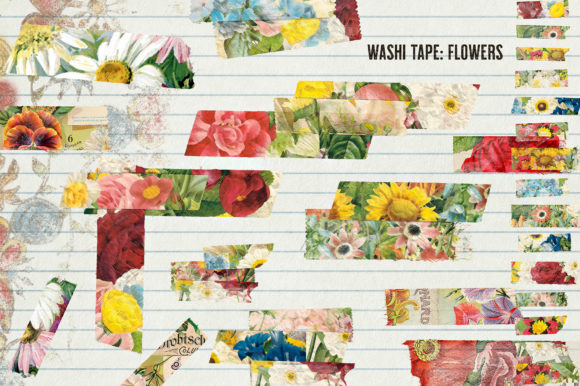
Washi Tape Patterns Set 1 is a digital product that provides nine sets of patterned tapes. These are not physical tapes but rather digital overlays—typically in PNG or layered file formats—that you can place onto your digital canvases. The key feature of this set is that the tapes are designed to be layered on top of one another. When you stack different patterns, the semi-transparent qualities and edge details simulate the look of real washi tape. The result is a textured, dimensional effect that can enhance projects such as digital scrapbooking, journaling, social media graphics, invitations, and branding materials.
The set includes a variety of patterns, from simple stripes and polka dots to more intricate designs. Because the tapes are supplied as separate elements, you have control over which patterns you use, how you arrange them, and how much of each one shows. This flexibility is central to the product's value proposition.
Why Might You Be Interested in This Set?
There are several reasons a designer or hobbyist might consider Washi Tape Patterns Set 1. The most common motivations include the desire for realism without the mess of physical supplies, the convenience of having multiple coordinated patterns in one download, and the ability to experiment with layering without committing to a final layout.
- Realism without physical supplies. If you work entirely in digital media, you may miss the tactile quality of physical washi tape. This set attempts to bridge that gap by replicating the look of overlapping tape strips. The edges are often slightly irregular, and the transparency mimics the way tape behaves when layered.
- Efficiency. Instead of sourcing individual tape scans or creating your own from scratch, you have nine ready-to-use pattern sets. This can save time, especially if you are working on a project with a tight deadline.
- Consistency. Because the patterns come from one source, they share a similar aesthetic. This makes it easier to create cohesive layouts where the tapes look like they belong together.
- Creative exploration. Layering different patterns can produce unexpected and pleasing combinations. The set encourages experimentation, which is useful for brainstorming or for projects that call for a handcrafted feel.
Benefits and Tradeoffs to Consider
Like any creative asset, Washi Tape Patterns Set 1 has strengths and limitations. Evaluating these will help you decide if it meets your specific needs.
Benefits
- Layering capability. The standout benefit is the ability to stack tapes. This creates depth and a sense of authenticity that a single flat overlay cannot achieve. When you layer a striped pattern over a solid color, for example, the edges interact in a way that suggests real tape.
- Time savings. If you regularly use washi tape aesthetics, having a set of pre-made patterns reduces the time spent on design. You can drag and drop the files into your project and adjust them as needed.
- Variety in one purchase. Nine sets provide a broad range of patterns, so you are unlikely to feel limited by a lack of options. This variety also means you can use the set for many different projects over time.
- Compatibility. Most digital tape sets are provided in formats that work with popular editing software such as Adobe Photoshop, Procreate, Affinity Photo, and Canva. This makes them accessible to a wide audience.
Tradeoffs
- Fixed design choices. You are limited to the patterns included in the set. If you need a very specific pattern that is not present, you will have to supplement with another source or create it yourself. This can be a drawback if you prefer full control over every element.
- File size and organization. Nine sets of layered files can add up quickly. Depending on the resolution, the files might be large, which could slow down your workflow if you are working on a less powerful computer. Additionally, you will need to keep the files organized so you can find the pattern you want easily.
- Learning curve for layering. While layering is a core feature, achieving a realistic result may require some practice. You need to understand how to adjust opacity, blend modes, and layer order to make the tapes look like they are actually stuck onto the page. For beginners, this might involve some trial and error.
- Perceived authenticity. Even with careful layering, digital washi tape may not fully capture the look of physical tape under certain lighting conditions. If your project demands an exact replica of real tape, you might still find yourself wanting a physical scan or a more advanced texture asset.
Considerations and Expectations
Before purchasing or using Washi Tape Patterns Set 1, it helps to set realistic expectations. The quality of the final result depends on several factors.
- Resolution and scale. Check the resolution of the files. Higher resolution gives you more flexibility to enlarge the tapes without pixelation. Lower resolution files may be fine for web use but could disappoint in print.
- Transparency handling. The realism of the tape often comes from how the edges fade or overlap. Make sure your design software supports transparency and blend modes so you can use the files to their full potential.
- Color matching. The patterns in the set have specific colors. If you are working on a project with a strict color palette, you might need to adjust the tape colors using hue/saturation adjustments. This is possible but adds extra steps.
- Number of use cases. Think about how often you will actually use these tapes. If you need them for a single project, the cost per use might be high. If you anticipate using them repeatedly across multiple projects, the value increases.
Situations Where This Set Is a Strong Fit
Washi Tape Patterns Set 1 works well in specific contexts. If you identify with any of the following scenarios, this product is likely to be a practical choice.
- Digital scrapbooking. Scrapbookers often seek a handmade look. Layering patterned tapes adds visual interest to photo layouts and journaling cards. The nine sets provide enough variety to complement different themes.
- Bullet journaling or planner design. For digital planners, functional and decorative tapes can mark sections, highlight dates, or serve as decorative accents. The realistic look helps maintain the analog feel that many planner users prefer.
- Social media content. If you create Instagram posts, Pinterest pins, or YouTube thumbnails that benefit from a crafty aesthetic, these tapes can be a quick way to add texture. They work well in collages and flat lay compositions.
- Stationery and invitation design. For digital invitations or stationery templates, washi tape accents can convey warmth and personality. The set allows you to create borders, corners, or background patterns.
- Mixed media art. Digital artists who work in a mixed media style can use the tapes as one layer among many, combining them with paint textures, paper scans, and other elements.
When Alternatives Might Be Worth Considering
No single asset is right for everyone. There are situations where you might be better off looking at other options.
- When you need ultra‑realistic textures. If your priority is photo‑realism, you may be better served by scanned physical tapes. Some designers prefer to scan their own collection of real washi tapes, which gives them complete control over the exact look and feel. Digital sets like Washi Tape Patterns Set 1 offer a stylized realism that may not satisfy the highest photorealism standards.
- When you want fully customizable patterns. If you frequently change colors, patterns, or lengths, a set of pre‑designed tapes may feel restrictive. In that case, you might invest in a pattern‑generating tool or learn to create your own custom brushes in software like Procreate or Photoshop. This approach requires more time but offers unlimited flexibility.
- When you work in vector format. Most washi tape sets are raster files. If your workflow is vector‑based (e.g., Adobe Illustrator or Affinity Designer), you might need vector tapes that can scale infinitely without losing quality. Some digital tape sets come in vector format, but this particular set may not, depending on the specific product. Check the file type before purchasing.
- When you only need one pattern. If your project calls for a single, specific pattern, buying a full nine‑set bundle may be more than you need. Some marketplaces sell individual tape patterns or smaller bundles. In that case, a smaller purchase might be more economical.
- When you prefer physical supplies. If you are not fully committed to digital design, you may still prefer using physical washi tape and scanning it yourself. This gives you the most authentic result, but it adds steps to your workflow and requires scanning equipment.
Practical Decision‑Making Insights
To decide whether Washi Tape Patterns Set 1 is right for you, consider these practical questions.
- What is your primary use case? If you create digital scrapbooks, planners, or social media graphics on a regular basis, this set is likely a good investment. If you only need it for a one‑off project, weigh the cost against the convenience.
- How much control do you need? If you enjoy tweaking colors, adjusting opacity, and experimenting with layer blends, the set gives you a good starting point. If you need complete creative freedom over pattern design, you may want to explore alternatives.
- What is your skill level with design software? Beginners may find the layering process slightly challenging at first, but it is not overly complex. Most users can achieve satisfactory results after a short learning period. If you are comfortable with layers and blend modes, you will find the set easy to use.
- What is your budget? Compare the cost of this set to similar products. Some digital washi tape sets include more patterns or higher resolution for a similar price. Read reviews and look at sample images to gauge quality.
- Do you value time or flexibility more? This set prioritizes time savings and convenience. If you value flexibility above all else, you may prefer to build your own tape library from individual scans or custom brushes.
Ultimately, Washi Tape Patterns Set 1 is a practical tool for anyone who regularly uses a crafty, layered aesthetic in digital design. It offers a balance of variety, realism, and ease of use that many designers will find appealing. By understanding its strengths and limitations, you can decide whether it fits into your creative workflow. If you value quick access to coordinated patterns and enjoy the look of layered washi tape, this set is worth a closer look. If your needs lean toward total customization or ultra‑realism, exploring alternative options may serve you better.
No matter your choice, the key is to match the asset to your project requirements and design habits. With that clarity, you can move forward confidently, knowing that your decision is based on a clear understanding of what Washi Tape Patterns Set 1 does and does not offer.