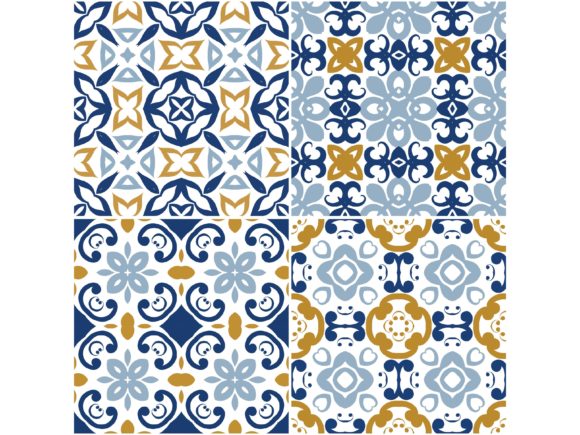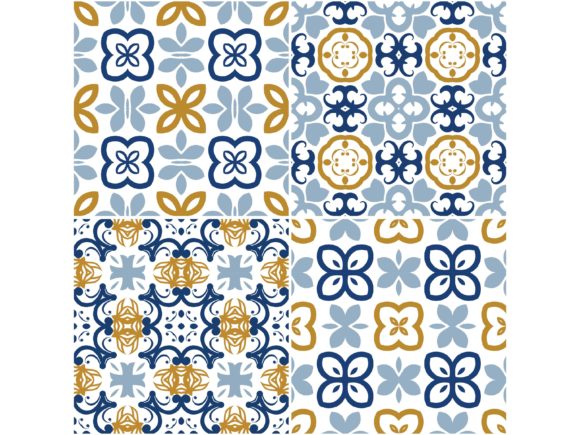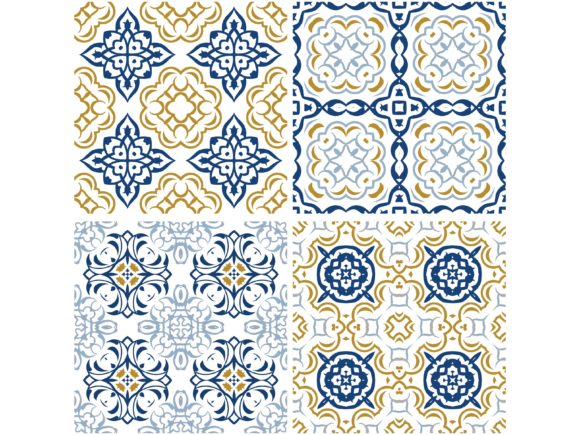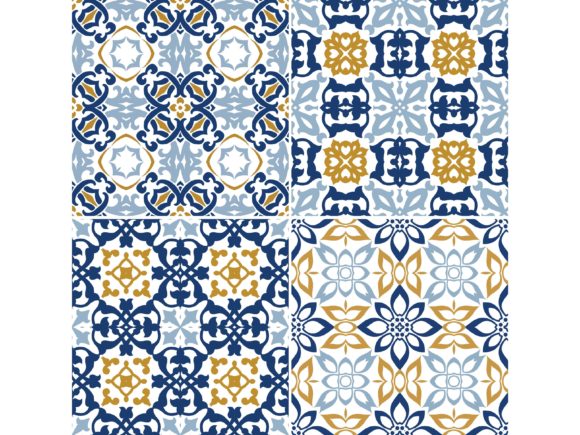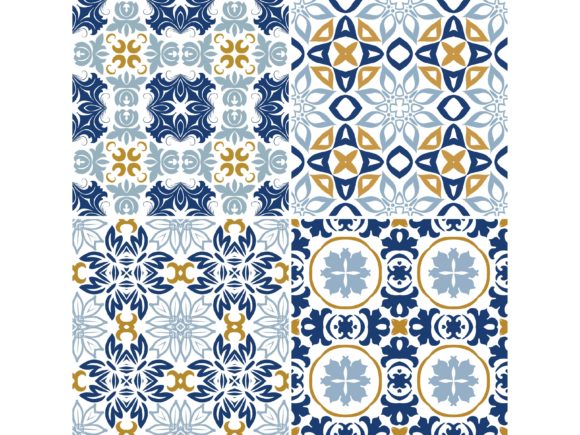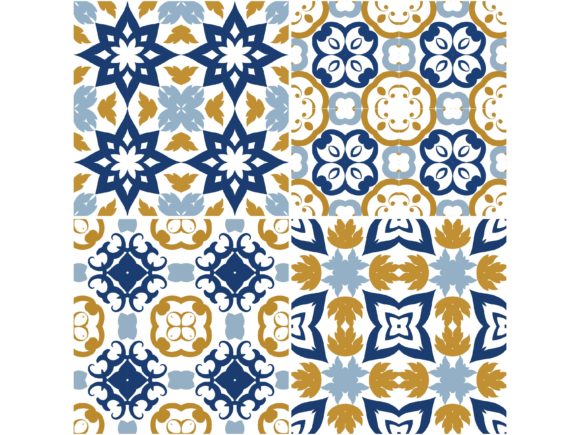
Vintage Tile Retro Decorative for Creative Projects
Designers, crafters, and content creators often look for visual assets that bring character without requiring custom illustration work. The Vintage Tile Retro Decorative collection offers a set of pattern assets built around classic tile aesthetics with a retro slant. This article evaluates what the collection includes, where it fits best, and what tradeoffs to consider before committing to it for your next project.
What the Vintage Tile Retro Decorative Collection Contains
The Vintage Tile Retro Decorative set provides four file formats: AI, EPS, PNG, and JPG. The AI and EPS files are vector formats, meaning they can be scaled to any size without losing resolution. The PNG files offer transparency support, while the JPG files provide a widely compatible raster option. Together, these formats aim to cover the main use cases across print, web, and presentation work.
The core design language draws from mid-century tile patterns, geometric repeats, and ornamental motifs that evoke kitchen backsplashes, bathroom walls, and floor layouts from the 1950s through 1970s. The "retro" descriptor signals that the patterns lean toward vintage rather than contemporary minimalism, with an emphasis on repeated shapes, contrasting colors, and structured layouts.
Why Creators Consider This Collection
Several practical reasons lead people to evaluate the Vintage Tile Retro Decorative set for their work.
- Time savings. Creating original tile patterns from scratch takes hours of drafting, testing repeats, and adjusting alignment. A prebuilt collection eliminates that upfront work.
- Format flexibility. Having AI, EPS, PNG, and JPG in one download means you can move between vector editing software, raster editors, and presentation tools without converting files yourself.
- Distinct visual identity. Retro tile patterns are less common in stock asset libraries than floral or abstract designs. Using them can help a project stand out with a specific historical reference.
- Scalability for print. Because the core files are vector, you can enlarge a pattern to poster size or shrink it to business card dimensions without quality loss.
These factors matter most when you need a consistent visual theme across multiple deliverables and cannot dedicate design time to building patterns from scratch.
Vector Editing Control
The AI and EPS files allow you to change colors, resize elements, and modify individual tiles within the pattern. If your branding requires a specific palette or you need to adapt the design for different products, vector formats give you that control. You are not stuck with the original colorway or arrangement.
Immediate Use for Web and Social Media
The PNG files with transparency work well for website backgrounds, social media graphics, and digital mockups. You can drop a pattern behind text or product images without worrying about white box edges. The JPG files offer a fallback for platforms that do not support PNG or for quick proofing.
Consistent Style Across Projects
Using the same pattern family across a website, product packaging, and printed materials creates a cohesive look. The Vintage Tile Retro Decorative patterns share a design language, so you can mix and match tiles while maintaining visual unity.
Tradeoffs and Considerations
No asset collection works for every situation. Being aware of limitations helps you decide whether this set aligns with your needs or whether you should look elsewhere.
Design Specificity
Retro tile patterns carry strong visual cues that may not suit minimal, modern, or industrial aesthetics. If your project requires clean lines, monochrome simplicity, or abstract geometry, these patterns may feel too busy or thematically mismatched. The decorative nature of the tiles can compete with text overlays or product photography if used as backgrounds without careful opacity balancing.
File Format Limitations
While AI and EPS are standard in professional design environments, they are not directly usable in all software. Microsoft Office, Canva (free tier), and some web builders do not support vector file imports. In those cases, you would rely on the PNG or JPG versions, which lack the editability of the vectors. Check your workflow before purchasing to confirm you can use the formats you need.
Customization Effort
Although the vectors are editable, substantial redesigns—such as changing the overall pattern repeat structure or swapping out tile shapes—require vector editing skills. Casual users who only need a ready-made background may find the PNG files sufficient, but users who want deep customization will need to invest time learning or working within Illustrator or Affinity Designer.
Originality Constraints
Because this is a downloadable collection, the same patterns are available to other buyers. If your project requires unique or exclusive design elements, using a stock asset set may not be ideal. Competing brands or similar creators could use the same tile patterns, reducing the distinctiveness of your visual identity.
Where This Collection Is a Strong Fit
The Vintage Tile Retro Decorative set works well in several specific contexts.
- Interior design mood boards. Presenting tile layouts for retro-inspired kitchens, bathrooms, or feature walls becomes faster when you have accurate pattern assets ready to drop into your layouts.
- Event materials. Parties, weddings, or brand activations with a mid-century or vintage theme benefit from consistent tile patterns on invitations, signage, and digital promotions.
- Product packaging. Small-run products such as candles, soaps, or stationery that align with retro aesthetics can use these patterns as wrappers, labels, or box liners.
- E-commerce branding. Online shops selling vintage clothing, home decor, or repro furniture often need backgrounds and accent graphics that reinforce their niche. Tile patterns provide that contextual visual cue.
- Social media templates. Instagram posts, Pinterest pins, and Facebook covers with a retro tile backdrop create instant genre recognition for audiences interested in vintage design.
When Alternatives May Be Worth Considering
Not every project benefits from this collection. In some cases, other approaches may serve you better.
You Need a Truly Unique Brand Identity
If you are building a brand from scratch and need exclusive visuals, consider commissioning original pattern artwork or using pattern generation tools to create custom tiles. The cost is higher, but you get something no one else can purchase.
Your Workflow Relies on Non-Vector Software
If you primarily work in web builders, presentation tools, or mobile design apps, vector files add little value. A subscription-based stock photo or pattern site that offers high-resolution JPG and PNG downloads with royalty-free licensing may offer more variety at a comparable cost.
You Prefer Modern or Abstract Styles
Design trends such as brutalist, flat minimalism, or organic shapes do not pair naturally with vintage tile patterns. If your project targets a forward-looking aesthetic, a contemporary pattern collection or a geometric abstract set will likely feel more relevant.
You Need Transparent Budget Control
Purchasing a single collection is a fixed one-time cost, which can be an advantage. However, if you need multiple distinct patterns across different projects, buying several small collections adds up. An all-access subscription to a pattern or graphic asset library might give you broader long-term value.
Practical Decision-Making Insights
When evaluating whether the Vintage Tile Retro Decorative collection aligns with your goals, consider the following steps.
Define your primary output format. If you mainly work in print (posters, packaging, signage), the AI and EPS vectors offer clear advantages. If you work mostly on digital screens (social media, websites, presentations), prioritize the PNG files and test how they look at your typical display sizes.
Check your software compatibility. Confirm that your design tools open AI or EPS files. If you use Affinity Designer, CorelDRAW, or Inkscape, these formats should work. If you rely on Photoshop alone, you will use the PNG or JPG versions, which are still useful but limit editing to pixel-level changes.
Assess the pattern density. Tile patterns often have high visual density. Try placing one behind a sample headline or product image to see if readability suffers. You may need to adjust opacity, scale down the pattern, or apply a color overlay to reduce contrast.
Think about long-term use. A single collection like this works best when you have a specific project or a narrow range of applications. If your creative work spans multiple style directions, you may outgrow a single pattern set quickly. In that case, a larger library with broader style coverage may be a better investment.
Evaluate the licensing terms. Most stock asset collections allow use in commercial projects, but restrictions vary. Confirm that your intended use—such as digital downloads for sale, print-on-demand products, or branding for a client—is permitted under the license that comes with this collection.
Determining Whether It Aligns with Your Needs
The Vintage Tile Retro Decorative set serves a specific design niche: retro-inspired, patterned visuals with vector versatility. It is not a broad-use asset pack, and it does not pretend to be one. For creators who need mid-century tile aesthetics across multiple deliverables and value the ability to edit and scale vectors, this collection offers a focused, practical solution.
For anyone whose work leans toward modern, minimalist, or highly customized visuals, or whose software ecosystem limits vector use, the collection will have less day-to-day relevance. In those cases, a pattern subscription service, custom illustration, or a minimalist graphic asset pack may provide better long-term utility.
The decision ultimately comes down to matching the collection’s design language and file formats to the recurring needs of your projects. If retro tile patterns appear regularly in your briefs and mood boards, this set can save meaningful production time. If they appear only occasionally, you may prefer to source individual patterns as needed or use a broader pattern library that covers vintage styles among others.
By assessing your output formats, software tools, visual direction, and frequency of use, you can make an informed choice about whether the Vintage Tile Retro Decorative collection fits your creative workflow or whether an alternative approach better supports your goals.